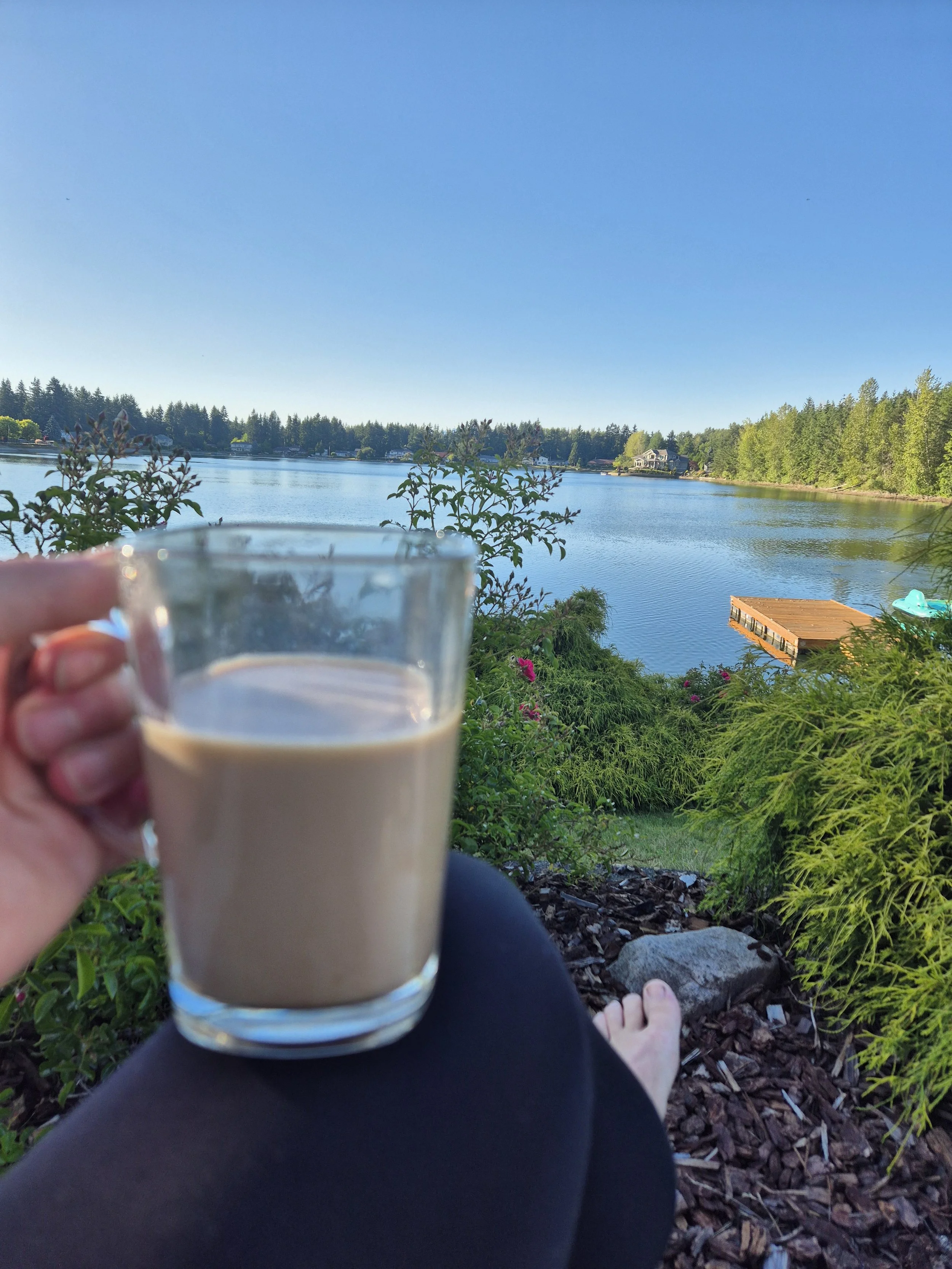
A life you don’t need to post
For almost two years, I didn’t use social media.
It wasn’t a planned experiment or a challenge. I didn’t set a time limit, and I didn’t know when I would come back. At some point, I simply felt that I couldn’t keep going the way I had been.
I would post something and almost immediately want to delete it. I was tired of waiting for likes, checking reactions, and seeing what everyone was posting every day. I would open social media automatically, without even thinking about why I was doing it.
At some point, I realized that, for me, it had started to feel like an addiction.
So I simply disappeared.
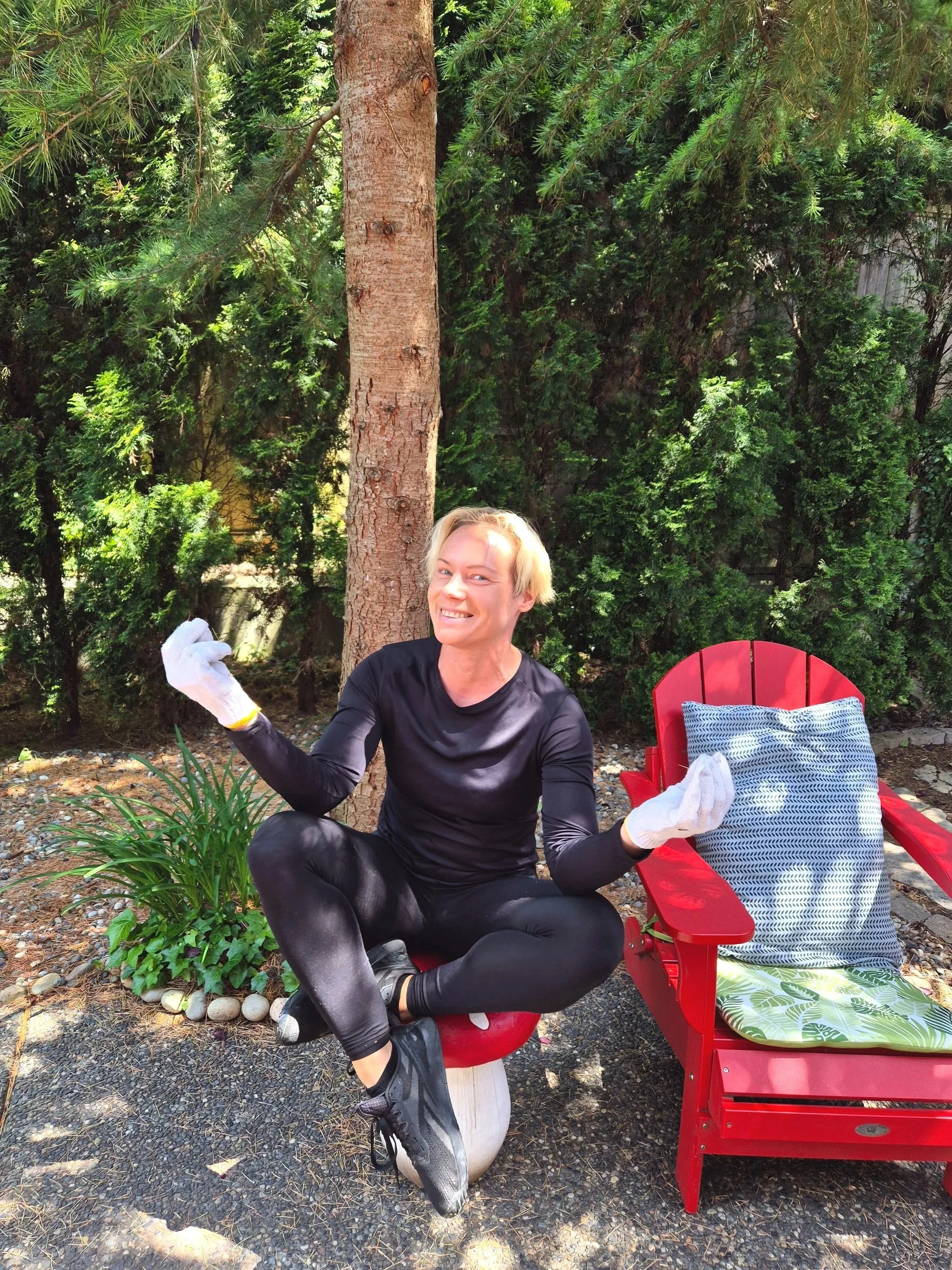
The first feeling — relief
At first, it felt strange. Social media had become such a big part of everyday life that without it, there was suddenly a lot of empty space.
But very quickly, I felt relieved.
I no longer had to think about what to post. I didn’t have to check who had liked something. I didn’t need to know where other people had been that day, what they had eaten, bought, watched, or how they had spent their weekends.
Gradually, the feeling that I had to constantly be present somewhere online disappeared.
And with it came a very simple feeling of freedom.
I didn’t become less social
It might seem that without social media, you become less social. For me, the opposite happened.
I started spending more time with friends and family. Some relationships became closer. Instead of knowing what was happening in someone’s life from their stories, I could meet them and ask, “How are you? What’s new?”
And genuinely not know the answer.
I started to enjoy hearing news about the people close to me directly from them.
There was less social media in my life, but more real connection.
I started discovering myself beyond the screen
It wasn’t just my time that became available. My attention did too.
I started trying things I might never have paid attention to before.
For example, I discovered gardening — and unexpectedly realized that I had a talent for it.
I also tried dancing, which had been a dream of mine for a long time.
I spent more time with people.
I tried new things simply because I was curious, not because they could look good online.
And I think this became one of the most important discoveries of that period: when you stop constantly watching other people’s lives, you have more attention for your own.
The trips no one saw
I kept traveling. But now, I didn’t post anything.
I could see a beautiful place without thinking about how to capture it for social media. I could spend an entire day somewhere without telling anyone about it online.
At first, it felt unusual. But then I started noticing the difference.
I took photos because I wanted to keep the moment for myself. I looked around for longer. I noticed more of the place, the people, the atmosphere.
A trip stopped being a story I needed to show others. And I think that was when I really started living more in the moment.
The freedom to be different
But the biggest change wasn’t the amount of free time. It was something inside me.
On social media, we gradually create a certain image of ourselves. We show what we like, what we do, where we travel, how we look, and what we think.
And over time, without even noticing it, we can become trapped within that image.
Without social media, I suddenly felt that those boundaries were gone.
I didn’t have to live up to the version of myself I had once shown to others. I might like one thing today and something completely different a year from now.
I can change my interests, my opinions, and my lifestyle. I can be different at different stages of my life.
And I don’t have to explain those changes to anyone.
That gave me a powerful sense of freedom.
I came back, but I was different
Almost two years later, I returned to social media.
But something happened that I hadn’t expected: my old habits didn’t fully return.
I no longer want to spend much time there. I don’t want to constantly know who posted what. And I definitely don’t want to build my life around likes and reactions.
Of course, I use social media. I post, read, and scroll.
But now I’m much better at noticing when it starts to feel like too much.
And most importantly, I know that life beyond the screen doesn’t disappear.
Quite the opposite. Sometimes, that’s where something even more interesting begins.
The side effect of a social media detox
I don’t think everyone needs to disappear from social media for two years.
And I don’t think social media itself is necessarily a bad thing.
But my experience showed me how quietly it can take away our attention — and how much can change when we take that attention back.
I started connecting with people more in real life. I discovered new interests. I became more present during my travels. Mentally, I felt lighter. I found more freedom to be myself — and to change.
And some of those habits have stayed with me even after returning.
So there is one unexpected side effect of a social media detox that is worth knowing about:
afterwards, you may no longer want to use social media the way you did before.
And perhaps that is one of its best results.