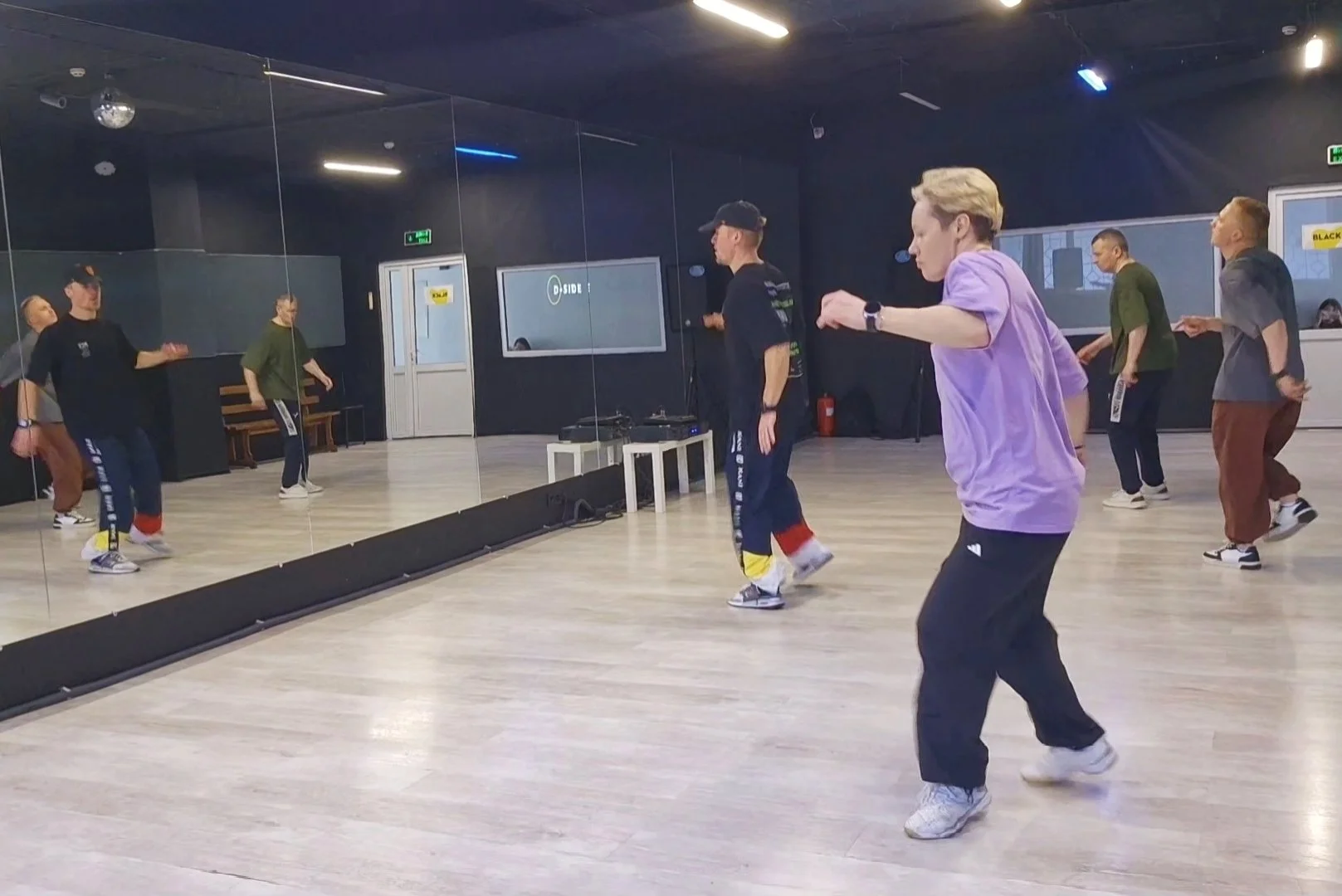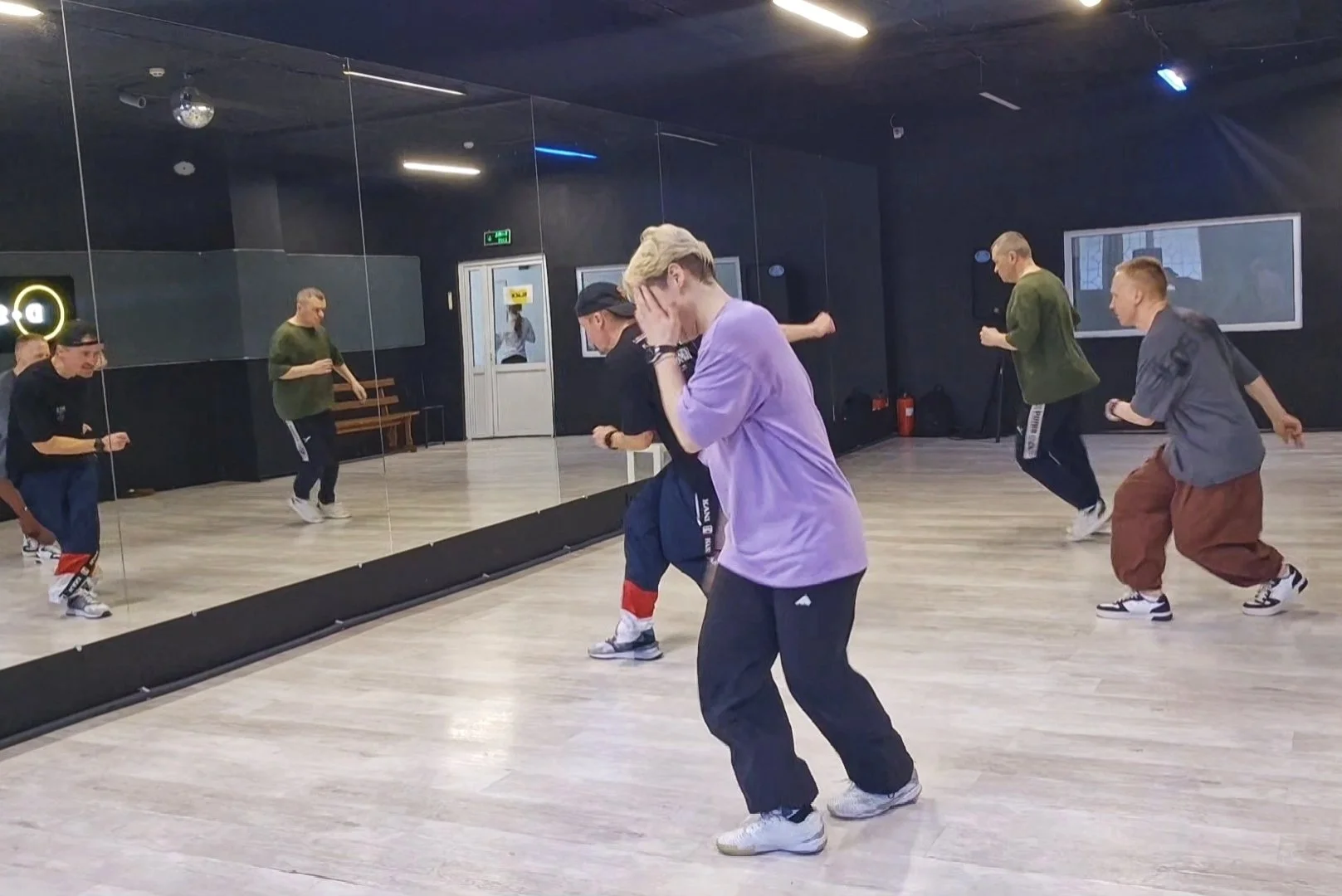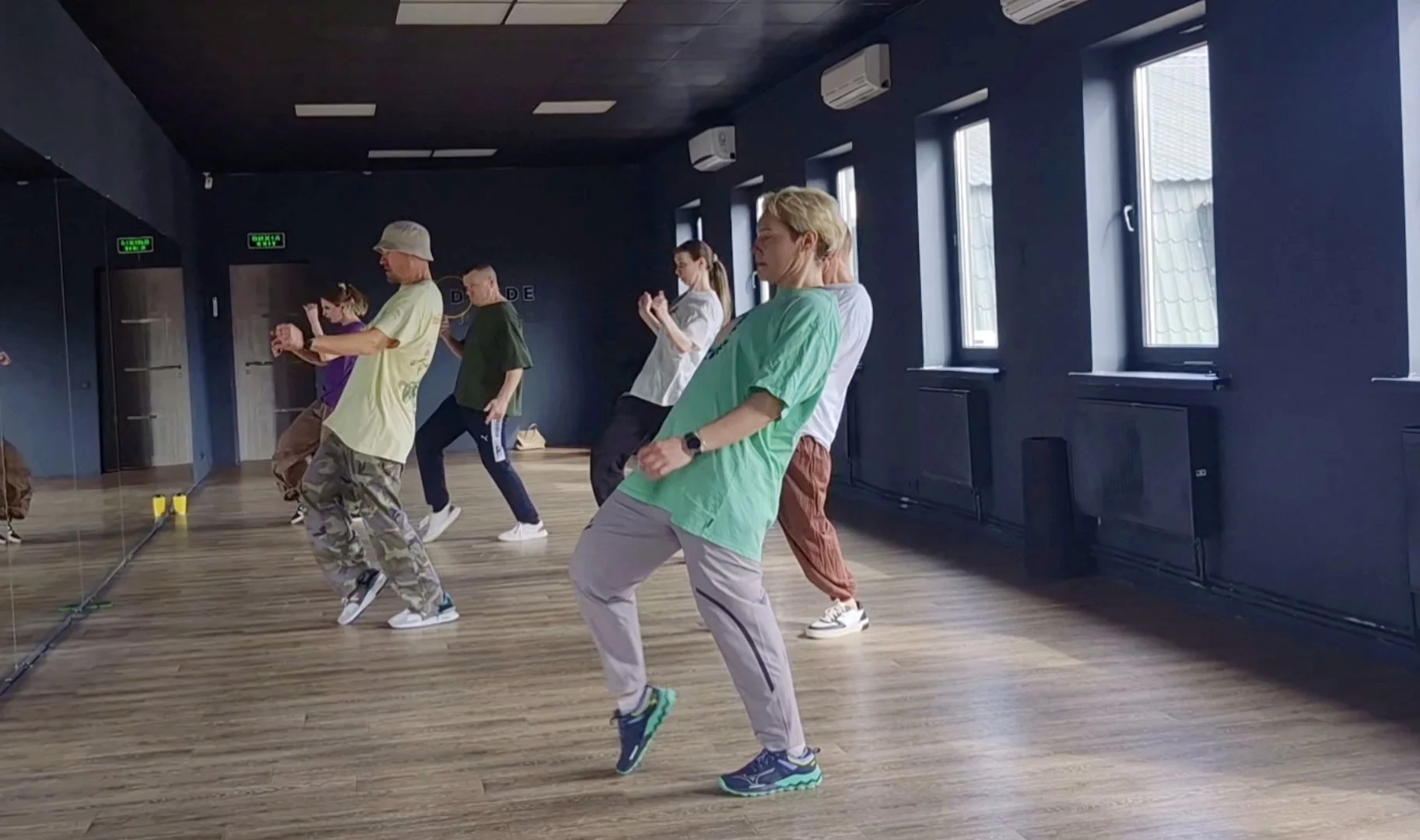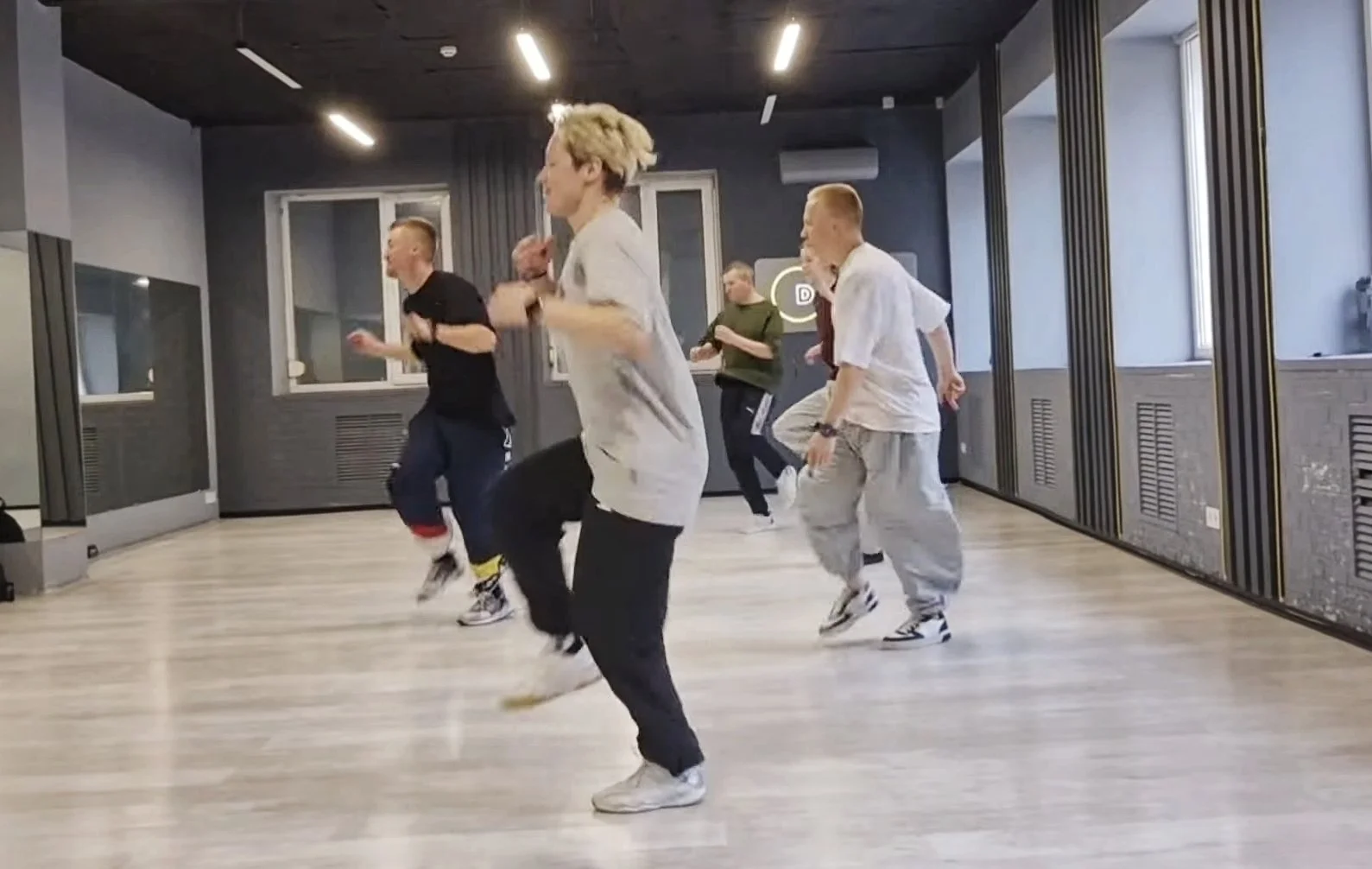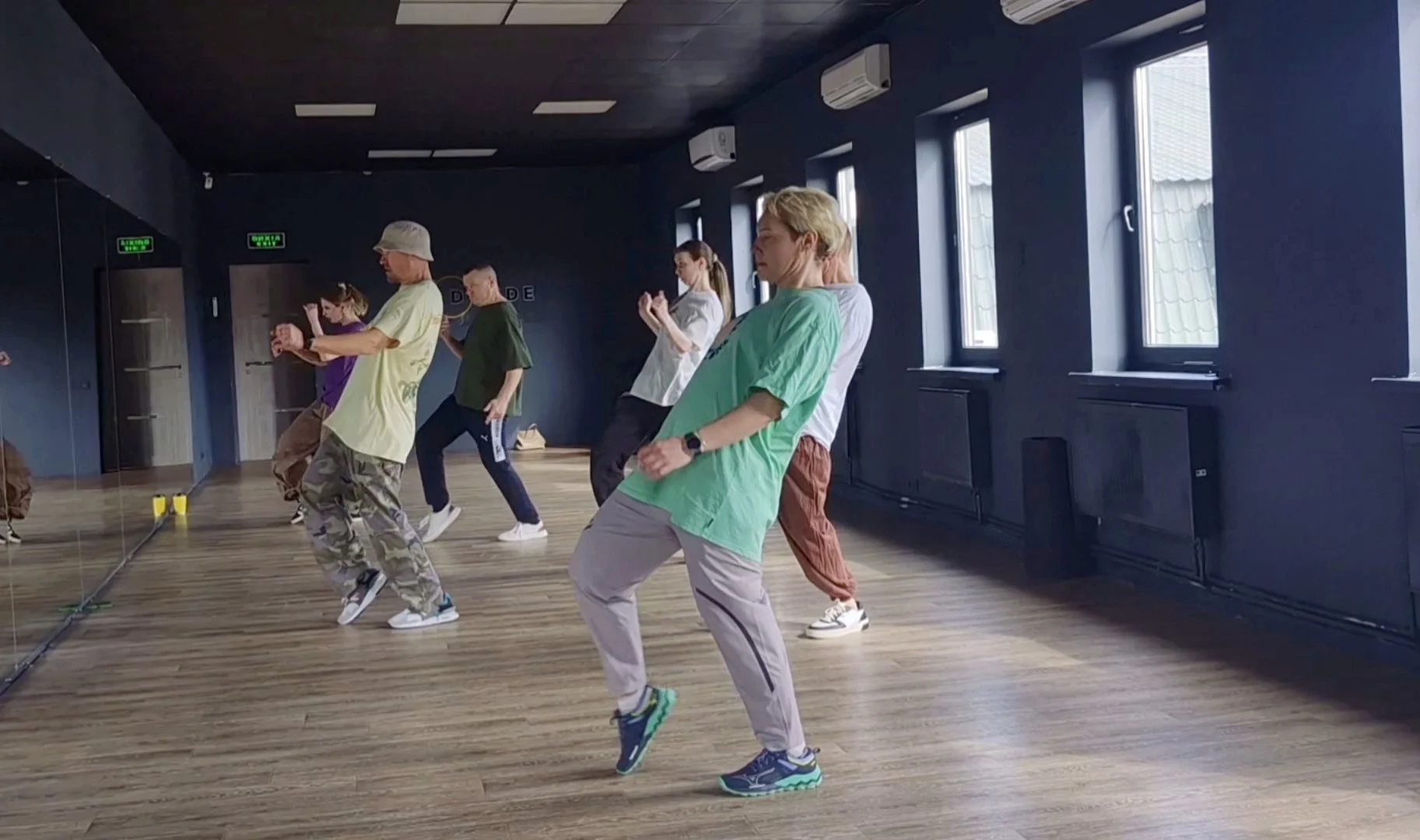
Interesting facts about house dance:
House Dance was born not in dance studios, but in the underground clubs of Chicago and New York.
It's one of the few dance styles where improvisation is more important than choreography. Every dancer creates their movement in the moment, guided by the music.
House Dance is built around three core elements: footwork (fast, intricate steps), jacking (a rhythmic wave-like movement through the torso), and lofting (smooth, flowing movements and transitions close to the floor).
Fast footwork is combined with a completely relaxed upper body. This contrast is what makes House Dance so distinctive.
House Dance blends influences from jazz, tap, African and Latin dances, capoeira, and hip-hop.
There is no single "right" way to dance House. What matters most is musicality, groove, freedom, and your own style.
Many House Dance moves were created during dance jams, where dancers exchanged ideas and inspired one another in the circle.
Despite its speed and technical complexity, the true goal of House Dance isn't to show off difficult moves—it's to enjoy the dance and experience the freedom of movement.
My experience
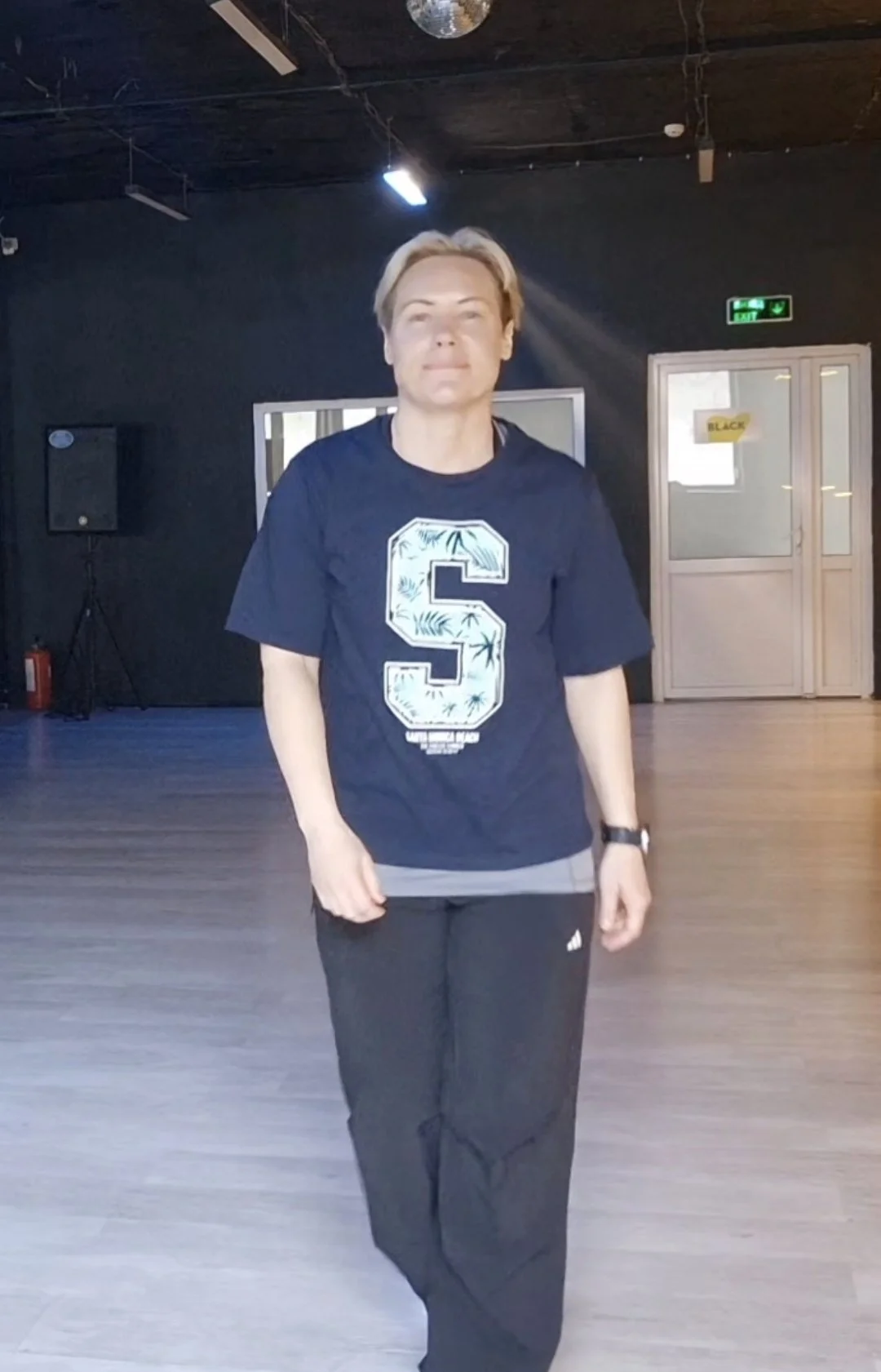
I I've always dreamed of dancing. I even took Latin dance classes for a while, but sport completely took over my life.
So, at 39, I finally decided to return to that dream. And somehow I ended up choosing one of the fastest dance styles—house dance.
As someone who loves cardio, keeping up with the pace wasn't the hard part. Remembering the combinations at that speed, though—that's a whole different challenge.
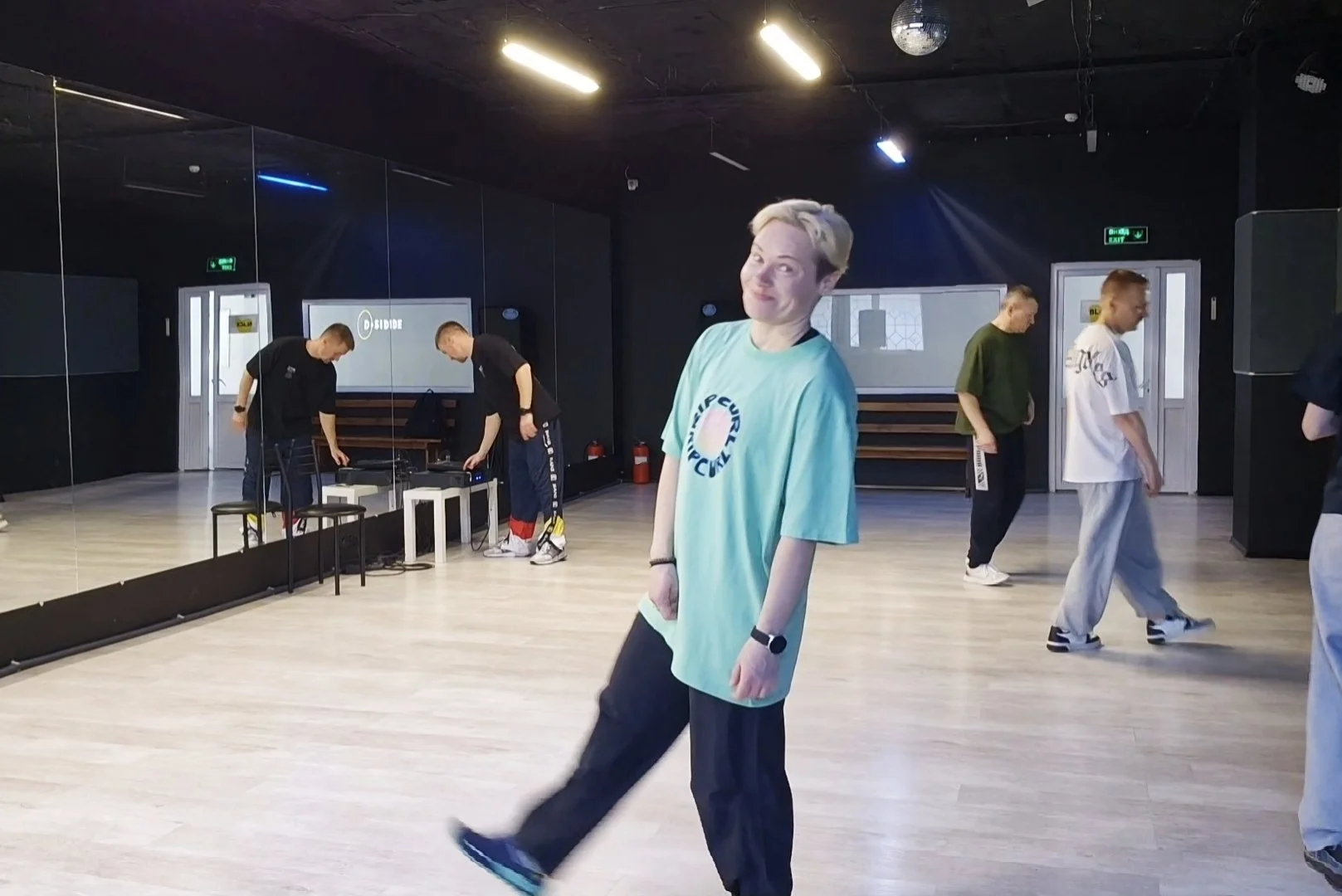
But that's exactly what keeps me coming back to D.Side Dance Studio (Kyiv, Ukraine) classes again and again.
I definitely recommend giving it a try.